Ha finalizado sesión correctamente

¡Hola !
Cerrar sesión

Ayudar a prevenir y tratar las úlceras del pie diabético

Síndrome del pie diabético (SPD)[1,2]

El síndrome del pie diabético (SPD) es una complicación común de la diabetes mellitus que afecta a uno de cada cuatro pacientes con diabetes en algún momento de sus vidas. El riesgo de desarrollar SPD aumenta con la edad.


Una de las consecuencias es la alteración de la integridad cutánea o la ulceración en el pie, conocida como úlcera del pie diabético. Esta afección incluye todos los cambios en el pie derivados de la polineuropatía diabética, así como los cambios micro y macroangiopáticos propios de la diabetes.

Información exclusiva para profesional sanitario

La información contenida en este sitio web está destinada exclusivamente a profesionales sanitarios. Absténgase de acceder si no es un profesional sanitario. Si es usted paciente, es importante que consulte a su médico.


Al aceptar, confirma que usted es profesional sanitario.


Aceptar Sí, soy profesional sanitario. Cancelar No, no soy profesional sanitario.

Infección en úlceras del pie diabético​

¿Sabías que...?

  • 19- 0%

    de las personas con diabetes desarrollarán una úlcera del pie diabético a lo largo de su vida. [2]

  • Más del

    0%

    de úlceras del pie diabético se infectan. [3]

  • Hasta

    0%

    de las úlceras del pie diabético gravemente infectadas provocan osteomielitis. [4]

Icono de pie con área resaltada en la planta del pie , que indica la ubicación de la úlcera.

Icono de pie con una úlcera resaltada e iconos de bacterias, que representan signos de infección.

Icono de pie con un área resaltada más grande y bacterias en el hueso, lo que indica una infección moderada.

Icono de persona con un termómetro que sugiere una infección sistémica grave.

Obtenga su guía gratuita sobre infecciones de úlceras del pie diabético


Una guía actualizada para el tratamiento y la gestión de las infecciones de úlceras del pie diabético, basada en la clasificación de la IWGDF/IDSA y la experiencia clínica del Dr. Prof. José Luis Lázaro.

¡Descárgalo aquí!

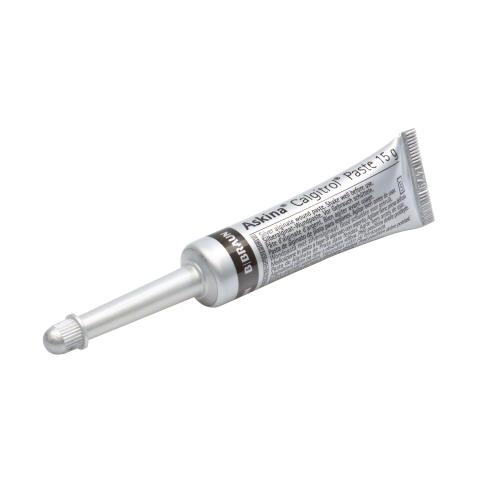
Askina® Calgitrol® Paste

Askina® Calgitrol® Paste is a sterile primary dressing consisting of an ionic silver alginate matrix in paste form, designed to treat chronic wounds which are infected or at high risk of infection.   The paste form, due to its water content, provides immediate availability of silver ions. Additionally, the ionic exchange with the wound exudate, delivers a sustained release of ionic silver to the wound bed.1   It is supplied sterile in a 15 g tube. The tube has a cannula to aid application of the paste into tunnels, sinuses, and all deep wounds. 2

Askina® Calgitrol® Ag+

Askina® Calgitrol® Ag+ is a wound dressing that combines antimicrobial silver with strengthening cellulose fiber to manage wound infection and high exudate. The dressing promotes healing in a moist environment.  When applied, Askina® Calgitrol® Ag+ responds by forming a gel on contact with wound exudate. The gelling formation traps, locks in and kills the bacteria away from the wound bed. It contains encapsulated nanoparticles of ionic silver encrusted into the strengthening cellulose fiber. The nanoparticles act as a reservoir of ionic silver and are released gradually in contact with wound fluid to kill bacteria and microorganisms within the dressing.Under the supervision of a healthcare professional, Askina® Calgitrol® Ag+ antimicrobial wound dressings may be used for:All agesModerately to heavily exuding woundsChronic wounds, e. g. leg ulcers, pressure ulcers and diabetic ulcersSurgical wounds, e. g. post-operative, wounds left to heal by secondary intent and donor sitesTraumatic wounds, e. g. abrasions and lacerationsPartial thickness burnsIf required, the dressings can be used in conjunction with a suitable moisture-retaining secondary dressing to keep the product in place and/or under compression.

Askina® Carbosorb

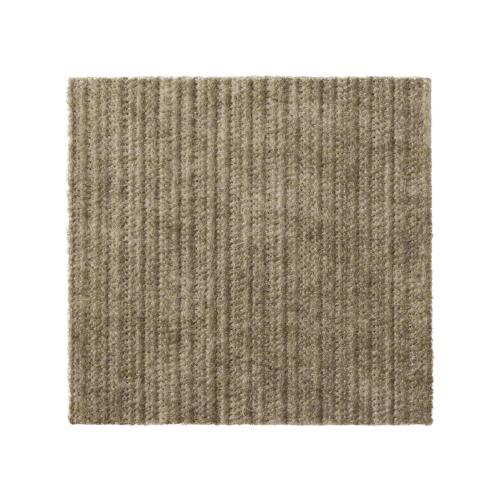
Askina® Carbosorb provides a combination of a superabsorbent wound dressing and activated charcoal. Most wounds have a slight odor, and malodor is the most distressing and socially isolating symptom associated with wounds. With Askina® Carbosorb, you can manage excess exudate and malodor at the same time and have therefore more time to care for your patients.Box of 10.

Askina® Sorb

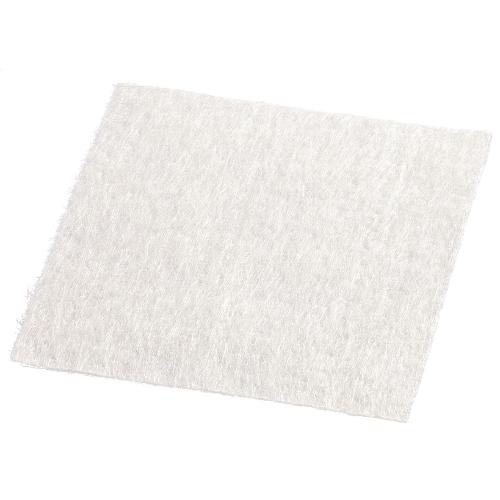
Askina® Sorb dressing is a highly absorbent dressing composed of calcium alginate and sodium carboxymethylcellulose (CMC) fibers. The dressing can absorb large amounts of exudate and form a gel which maintains a moist healing environment. Askina® Sorb is available in sheet and rope forms. Askina® Sorb is indicated for moderately to heavily exuding wounds, such as diabetic foot ulcers, pressure ulcers, leg ulcers, superficial and partial thickness burns, donor sites, post-operative wounds and traumatic wounds.

Askina® DresSil Active

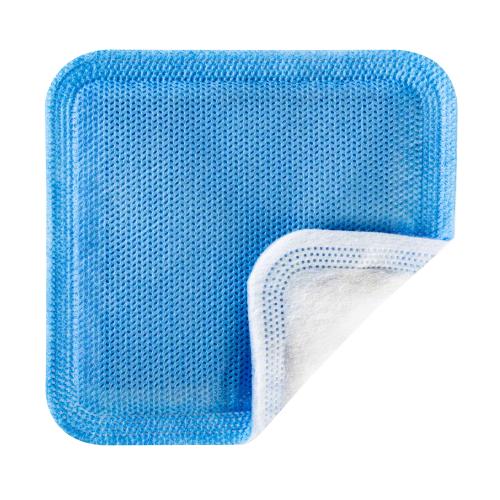
Askina® DresSil Active is a multilayer silicone dressing with border designed to provide active exudate management. Its multilayer structure improves exudate retention and absorption while maintaining the adequate moisture level in the wound1. This may reduce the frequency of dressing changes, thereby saving nursing time and allowing more time to be dedicated to patients and their care2.  Askina® DresSil Active is designed for a wide range of exuding wounds such as:Pressure ulcersLeg and foot ulcersTraumatic wounds (e.g. skin tears)Surgical wounds It can also be used on dry/necrotic wounds in combination with gels. The dressing may also be used as part of a prophylactic therapy to help prevent skin damage, e.g. pressure ulcers.

Un hombre está de pie junto a su médico, ambos sonríen a la cámara

Rescate de una amputación

¿Conoce la historia de Galo, el hombre cuya amputación de pie fue evitada por un representante de ventas de B. Braun?

Obtenga más información sobre cómo el tratamiento de heridas con Prontosan® y Askina® cambió la situación.

Lea la historia

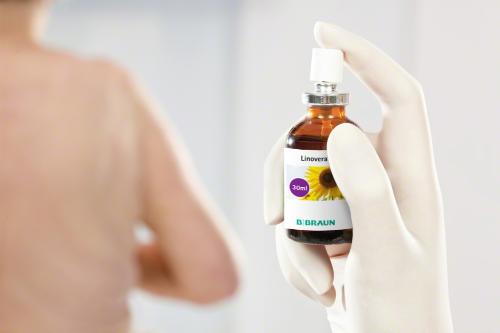
Linovera®

Chronic wounds are a major global medical concern,1 significantly impacting patients’ quality of life,2 while also affecting close family and relatives. Chronic wounds also cause considerable financial burden3 on the healthcare system and society.Topical preventive measures such as Linovera® oil are needed to avoid higher healthcare expenditures and preserve patients’ health. They can be used with the goal of promoting integrity of the skin and providing essential moisturizing.4HOFA-containing topical formulations have become an ideal therapeutic option that is part of the clinical protocols for nursing action in the prevention and treatment of ulcers.5 Linovera® is a skin care oil composed of: Hyperoxygenated fatty acids (HOFA) originated from sunflower oil naturally rich in linoleic acid,6 an essential fatty acid important in the maintenance of epidermal integrity and the natural skin’s water barrier.7 Some of the HOFA properties can increase skin resistance, reduce dehydration, reduce friction and pressure forces8 and improve microcirculation.9Vegetable extracts formulated to provide additional benefits such as skin conditioning, humectant, and tonic, enhancing the activity of the product. Thanks to its content of HOFA and vegetable extracts, Linovera® oil can be useful in the prevention of skin breakdown (e.g. prevention of stage 1 pressure ulcers) or in the management of already impaired skin,8,10 helping to provide the best care for your patients. CompositionHyperoxygenated fatty acids derived from sunflower oil (emollient)Aloe Barbadensis extract (skin conditioning, emollient, humectant)Asian Centella oil extract (skin conditioning, skin tonic, soothing agent)Rosemary essential oil (organoleptic) IndicationsLinovera® oil is indicated: For patients whose skin integrity is at riskFor prevention of pressure ulcers, vascular ulcers and diabetic foot ulcersFor treatment of stage 1 pressure ulcers

Askina® Heel

Askina® Heel is a heel-shaped, two-layered, non-adherent foam dressing designed to cover the heel and the malleolus. The gentle polyurethane foam can reduce pressure on wounds in this area as well as provide a moist wound environment to promote wound healing. The waterproof outer layer protects the wound from dirt and bacteria. The product includes the option to use a foam security strap and two self-adhesive hooks that keep the dressing in place even during movement, avoiding the need to use an additional fixation device.Askina® Heel is indicated for the management of a wide range of moderately to highly exuding wounds, mainly for exudate absorption at the heel site. 

Askina® Calgitrol® Paste

Askina® Calgitrol® Paste is a sterile primary dressing consisting of an ionic silver alginate matrix in paste form, designed to treat chronic wounds which are infected or at high risk of infection.   The paste form, due to its water content, provides immediate availability of silver ions. Additionally, the ionic exchange with the wound exudate, delivers a sustained release of ionic silver to the wound bed.1   It is supplied sterile in a 15 g tube. The tube has a cannula to aid application of the paste into tunnels, sinuses, and all deep wounds. 2

Askina® Calgitrol® Ag+

Askina® Calgitrol® Ag+ is a wound dressing that combines antimicrobial silver with strengthening cellulose fiber to manage wound infection and high exudate. The dressing promotes healing in a moist environment.  When applied, Askina® Calgitrol® Ag+ responds by forming a gel on contact with wound exudate. The gelling formation traps, locks in and kills the bacteria away from the wound bed. It contains encapsulated nanoparticles of ionic silver encrusted into the strengthening cellulose fiber. The nanoparticles act as a reservoir of ionic silver and are released gradually in contact with wound fluid to kill bacteria and microorganisms within the dressing.Under the supervision of a healthcare professional, Askina® Calgitrol® Ag+ antimicrobial wound dressings may be used for:All agesModerately to heavily exuding woundsChronic wounds, e. g. leg ulcers, pressure ulcers and diabetic ulcersSurgical wounds, e. g. post-operative, wounds left to heal by secondary intent and donor sitesTraumatic wounds, e. g. abrasions and lacerationsPartial thickness burnsIf required, the dressings can be used in conjunction with a suitable moisture-retaining secondary dressing to keep the product in place and/or under compression.

Askina® DresSil Active

Askina® DresSil Active is a multilayer silicone dressing with border designed to provide active exudate management. Its multilayer structure improves exudate retention and absorption while maintaining the adequate moisture level in the wound1. This may reduce the frequency of dressing changes, thereby saving nursing time and allowing more time to be dedicated to patients and their care2.  Askina® DresSil Active is designed for a wide range of exuding wounds such as:Pressure ulcersLeg and foot ulcersTraumatic wounds (e.g. skin tears)Surgical wounds It can also be used on dry/necrotic wounds in combination with gels. The dressing may also be used as part of a prophylactic therapy to help prevent skin damage, e.g. pressure ulcers.

Askina® Carbosorb

Askina® Carbosorb provides a combination of a superabsorbent wound dressing and activated charcoal. Most wounds have a slight odor, and malodor is the most distressing and socially isolating symptom associated with wounds. With Askina® Carbosorb, you can manage excess exudate and malodor at the same time and have therefore more time to care for your patients.Box of 10.

Askina® Foam

Askina® Foam is a soft, two-layered, non-adherent dressing that is designed to absorb and retain moderate to high wound exudate while providing a moist wound environment to promote healing. The outer vapor-permeable polyurethane film physically protects the wound from water and bacteria.The soft and flexible polyurethane foam provides an excellent conformability to adapt to different wound locations on the body.Askina® Foam wound dressing may be used for: Moderately to heavily exuding woundsChronic wounds, e. g. pressure ulcers, leg and foot ulcersTraumatic wounds, e. g. first and second-degree burns, and surgical wounds

Askina® Sorb

Askina® Sorb dressing is a highly absorbent dressing composed of calcium alginate and sodium carboxymethylcellulose (CMC) fibers. The dressing can absorb large amounts of exudate and form a gel which maintains a moist healing environment. Askina® Sorb is available in sheet and rope forms. Askina® Sorb is indicated for moderately to heavily exuding wounds, such as diabetic foot ulcers, pressure ulcers, leg ulcers, superficial and partial thickness burns, donor sites, post-operative wounds and traumatic wounds.

Askina® Sorb Rope

Askina® Sorb Rope is the rope version of Askina® Sorb. It is a sterile primary wound dressing made of fibers containing 85% of calcium alginate and 15% of carboxymethylcellulose (CMC).When in contact with wound exudate, the alginate-CMC fibers are fast gelling, resulting from an ionic exchange between calcium ions from the dressing and sodium ions from theexudate, so as to form a soft moist gel conducive to natural healing. 

Referencias

  1. Rümenapf G, Morbach S, Rother U, Uhl C, Görtz H, Böckler D, Behrendt CA, Hochlenert D, Engels G, Sigl M; Kommission PAVK und Diabetisches Fußsyndrom der DGG e. V.. Diabetisches Fußsyndrom – Teil 1 : Definition, Pathophysiologie, Diagnostik und Klassifikation [Diabetic foot syndrome-Part 1 : Definition, pathophysiology, diagnostics and classification]. Chirurg. 2021 Jan;92(1):81-94. German. doi: 10.1007/s00104-020-01301-9. PMID: 33170315; PMCID: PMC7819949.
  2. Armstrong DG, Boulton AJM, Bus SA. Diabetic Foot Ulcers and Their Recurrence. N Engl J Med. 2017 Jun 15;376(24):2367-2375
  3. Prompers L, Huijberts M, Apelqvist J, Jude E, Piaggesi A, Bakker K, Edmonds M, Holstein P, Jirkovska A, Mauricio D, Ragnarson Tennvall G, Reike H, Spraul M, Uccioli L,  rbancic V, Van Acker K, van Baal J, van Merode F,  chaper N. High prevalence of ischaemia, infection and  erious comorbidity in patients with diabetic foot disease in Europe. Baseline results from the Eurodiale study.  iabetologia. 2007 Jan;50(1):18-25. doi: 10.1007/s00125-006-0491-1. Epub 2006 Nov 9. PMID: 17093942.
  4. Lázaro Martínez JL, García Álvarez Y, Tardáguila-García A, García Morales E. Optimal management of diabetic foot osteomyelitis: challenges and solutions. Diabetes Metab Syndr Obes. 2019 Jun 21;12:947-959. doi: 10.2147/DMSO.S181198. PMID: 31417295; PMCID: PMC6593692.
  5. McDermott K, Fang M, Boulton AJM, Selvin E, Hicks CW. Etiology, Epidemiology, and Disparities in the Burden of Diabetic Foot Ulcers. Diabetes Care. 2023 Jan 1;46(1):209- 221. doi: 10.2337/dci22-0043. PMID: 36548709; PMCID: PMC9797649.
  6. Senneville É, Albalawi Z, van Asten SA, Abbas ZG, Allison G, Aragón-Sánchez J, Embil JM, Lavery LA, Alhasan M, Oz O, Uçkay I, Urbančič-Rovan V, Xu ZR, Peters EJG. IWGDF/IDSA Guidelines on the Diagnosis and Treatment of Diabetes-related Foot Infections (IWGDF/IDSA 2023). Clin Infect Dis. 2023 Oct 2:ciad527.
  7. Based on personal expert opinion by Dr. Prof. José Luis Lázaro, Head of Diabetic Foot Ulcers Unit, Universidad Complutense de Madrid
  8. Malone M, Bjarnsholt T, McBain AJ, James GA, Stoodley P, Leaper D, Tachi M, Schultz G, Swanson T, Wolcott RD. The prevalence of biofilms in chronic wounds: a systematic review and meta-analysis of published data. J Wound Care. 2017 Jan 2;26(1):20-25. doi: 10.12968/jowc.2017.26.1.20. PMID: 28103163​